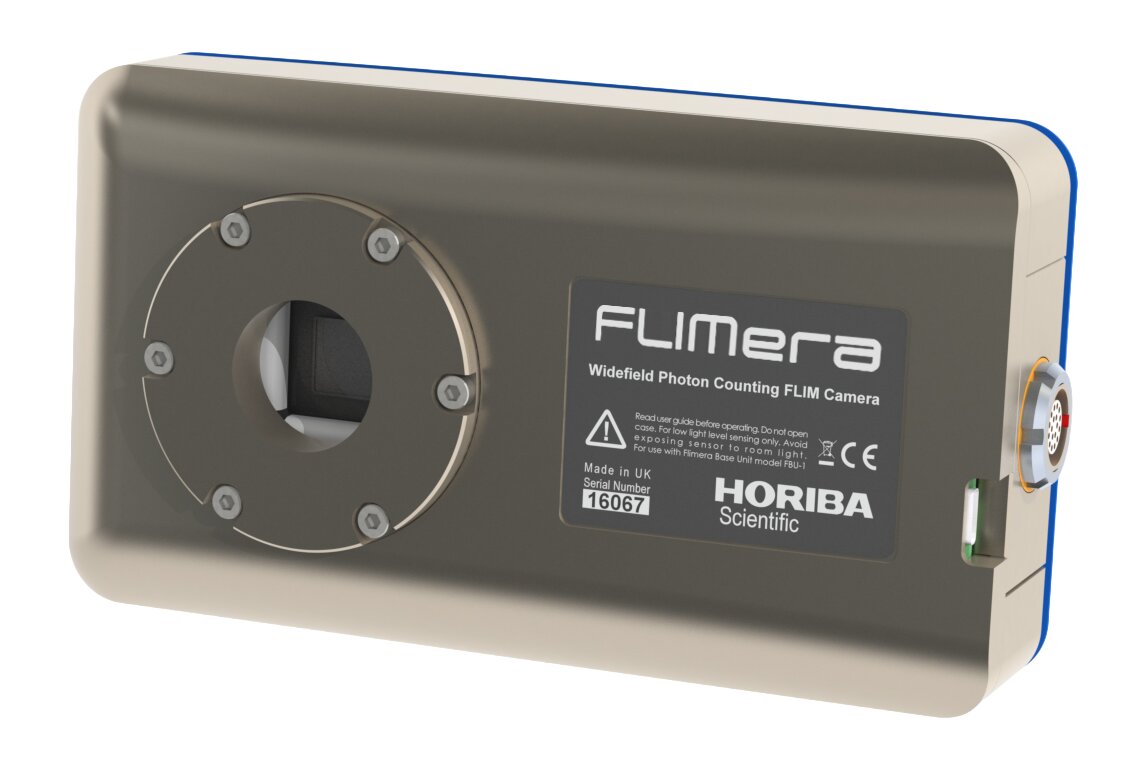
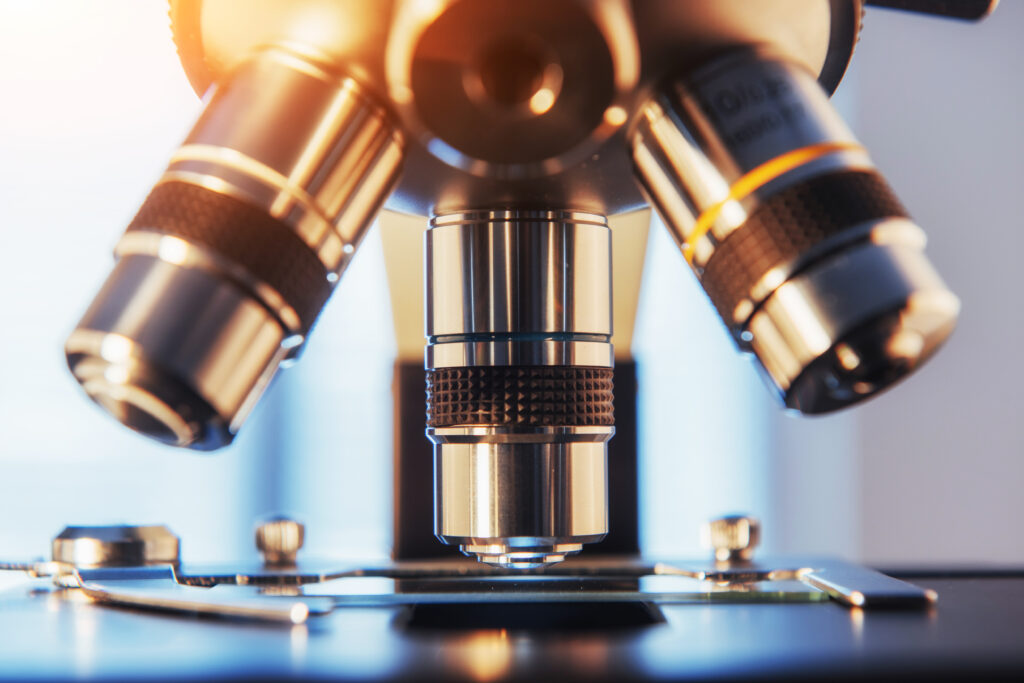
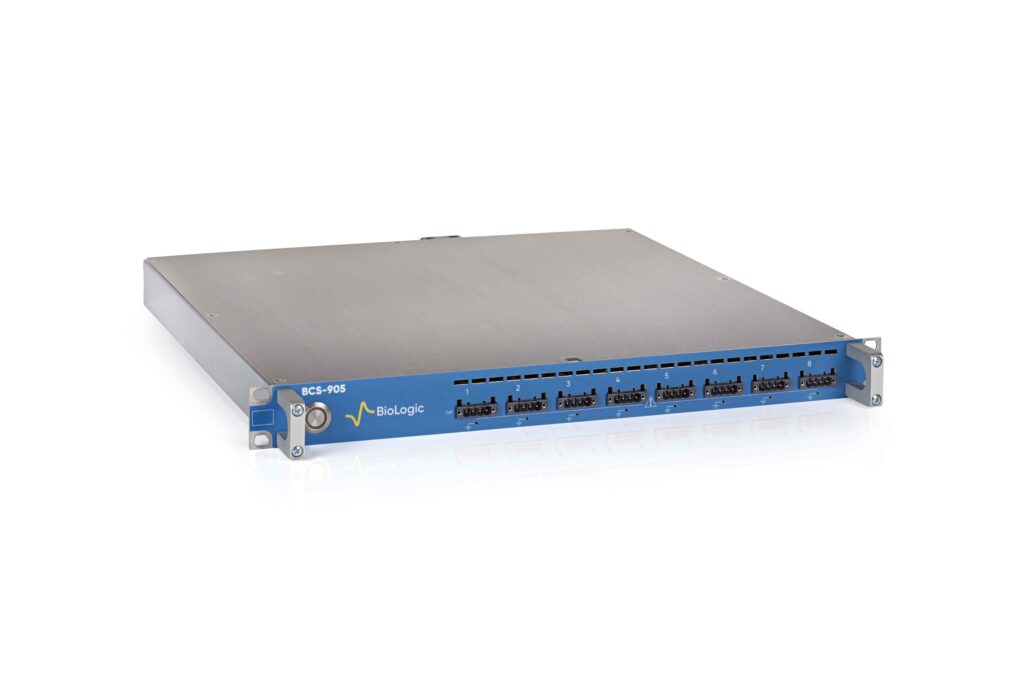
The HORIBA flimera is a widefield FLIM (fluorescence lifetime imaging microscopy) camera system for fast lifetime imaging in live-cell biology, enabling FRET, metabolic imaging, and environment-sensing applications.
The HORIBA flimera is a widefield fluorescence lifetime imaging microscopy (FLIM) camera system designed for fast, sensitive lifetime imaging in live-cell biology and biomedical research. The flimera uses a frequency-domain (homodyne) detection approach implemented in a compact camera head, enabling real-time FLIM acquisition at video rates for monitoring dynamic cellular processes. This is in contrast to TCSPC-based scanning FLIM which requires longer acquisition times, making the flimera ideal for experiments where speed is critical – including live-cell imaging of FRET biosensors for protein kinase activity, second messenger dynamics, and metabolic FLIM using NAD(P)H autofluorescence. The flimera mounts on the camera port of standard wide-field or spinning-disk confocal microscopes without modification, and works with standard pulsed laser excitation. The system captures phase and modulation lifetime images simultaneously across the full field of view, enabling high-speed lifetime maps with spatial resolution limited only by the host microscope’s optics. FlimFit software provides real-time lifetime calculation and display. The flimera is particularly suited for metabolic imaging using FLIM of NADH fluorescence, where bound vs. free NADH fractions report on cellular metabolic state. NewRoad provides the HORIBA flimera in Israel for cell biology, metabolic imaging, and live-cell FRET biosensor experiments.
WHY CHOOSE THIS PRODUCT
Real-time widefield FLIM at video rates for live-cell dynamic imaging
Frequency-domain approach enables fast simultaneous phase and modulation acquisition
Mounts on any wide-field or spinning-disk microscope camera port
Ideal for metabolic FLIM (NADH), live-cell FRET biosensors, and biosensing
No sample modification needed – works with standard fluorescent proteins and dyes
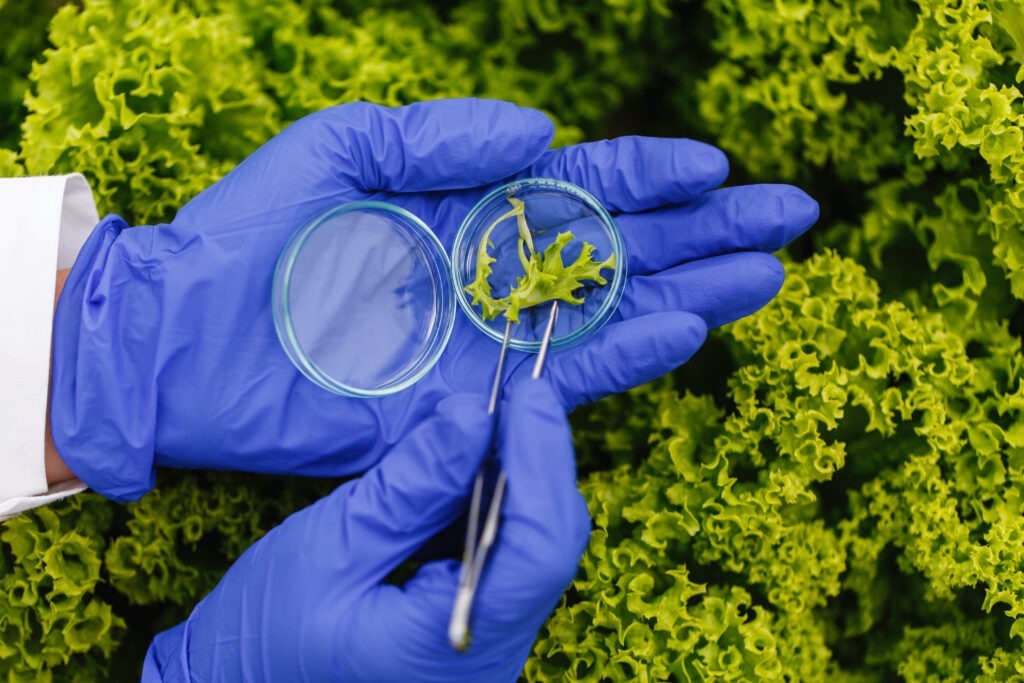
Surface science and nanoscale measurement instruments support life science researchers in studying biomolecular interactions, cell adhesion, and membrane behavior with high precision.
Spectroscopy
Chemistry & Biochemistry
Versatile analytical and surface characterization instruments support fundamental and applied research in molecular chemistry, reaction kinetics, colloid science, and biomolecular analysis.
Measurement & Sensing
Food & Beverage
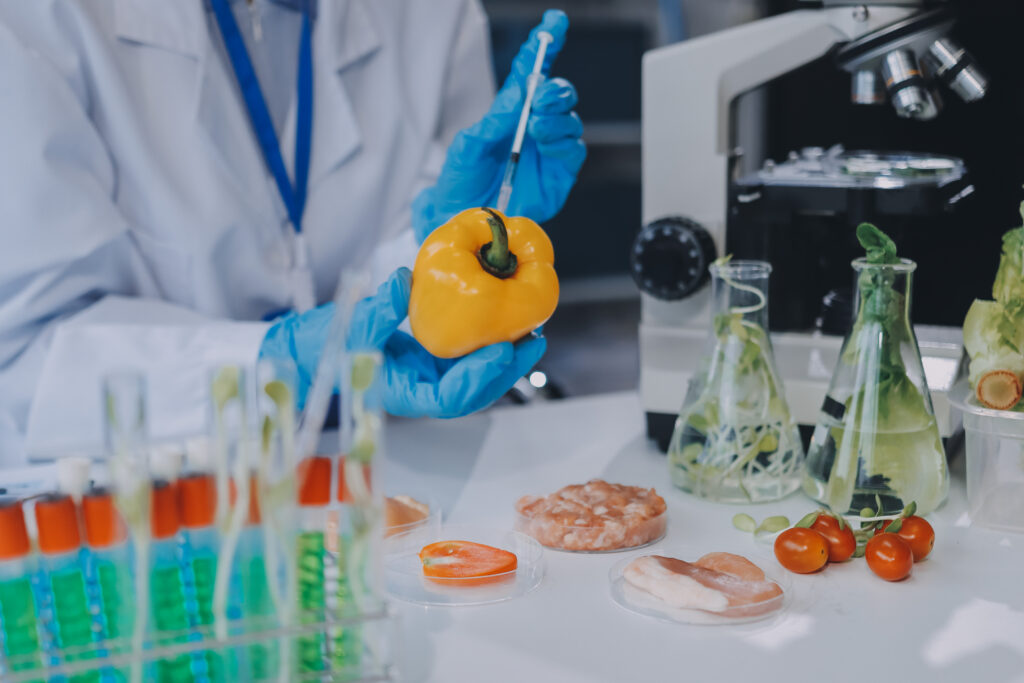
Analytical and surface measurement instruments support food and beverage manufacturers in ensuring product quality, stability, and compliance at every stage of production.
Spectroscopy
Pharmaceutical
Pharmaceutical R&D and manufacturing rely on surface analysis, compound characterization, and real-time interface monitoring to develop safe, effective, and consistently produced drug products.
RELATED PRODUCTS
Explore Similar Solutions
Browse related instruments and complementary solutions selected for your research and application.