
How to Choose the Right Spectrometer for Your Laboratory
With dozens of spectrometer types available, choosing the right one can be difficult. This guide explains the key parameters and matching them to common UV-Vis, NIR, Raman and fluorescence applications.
Spectroscopic Ellipsometry: Measuring Thin Film Thickness and Optical Constants
Ellipsometry is the most accurate non-contact technique for thin film characterization. This guide explains the measurement principle, what it reveals, and how to choose the right ellipsometer.
Vibration Isolation for Sensitive Instruments: Why It Matters and How to Choose
Floor vibrations are a hidden cause of poor AFM images and noisy measurements. This guide explains how passive vibration isolation works and what to consider when selecting a platform for your instrument.
QCM-D: How Quartz Crystal Microbalance with Dissipation Monitoring Works
QCM-D enables real-time, label-free monitoring of thin film formation and molecular adsorption. This guide explains how it works, what it measures, and its key applications in surface science and biology.
Benchtop TEM: How Low-Voltage Electron Microscopy Makes Nanoscale Imaging Accessible
High-resolution electron microscopy no longer requires a dedicated facility. This guide explains how benchtop TEM systems achieve genuine nanometer resolution at a fraction of the cost and space.
Contact Angle Measurement: How Surface Wettability Affects Coating, Adhesion and Product Performance
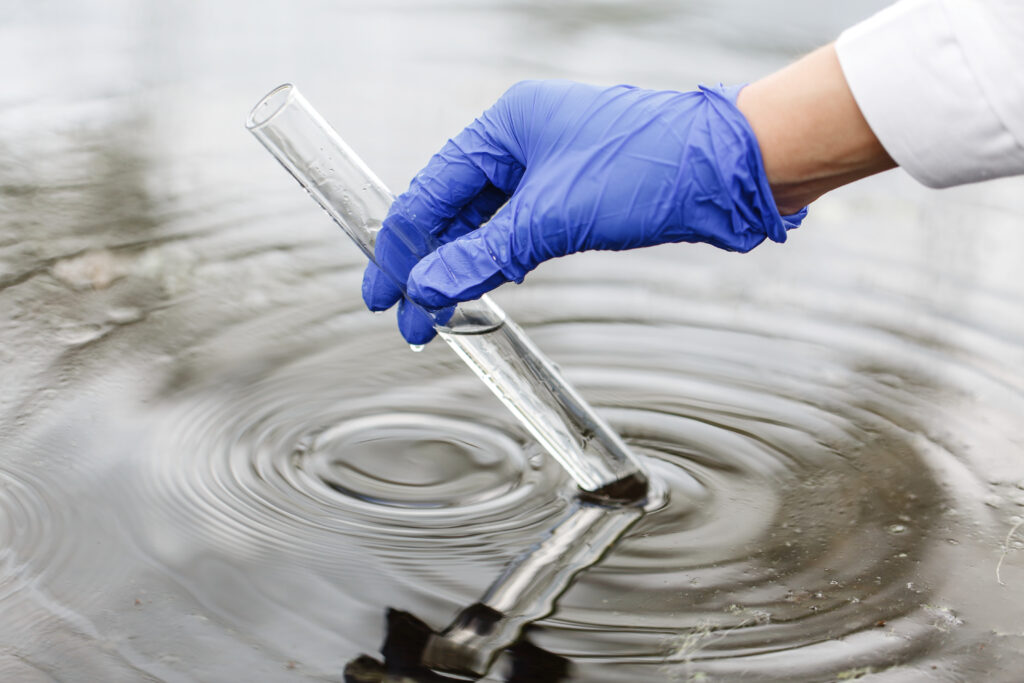
Surface wettability determines how liquids interact with materials. This guide explains contact angle measurement, what it reveals, and why it matters in manufacturing, pharma and materials research.
Electrochemical Impedance Spectroscopy (EIS): Principles, Applications and Instrument Selection

EIS is one of the most powerful electrochemical techniques for characterizing batteries, corrosion, fuel cells and biosensors. This guide explains how EIS works and how to choose the right potentiostat.
Particle Size Analysis Methods Compared: Laser Diffraction vs. Dynamic Image Analysis
Understanding the differences between laser diffraction and dynamic image analysis helps laboratories choose the right particle sizing method for their material and quality requirements.
Atomic Force Microscopy (AFM): How It Works and What It Measures
A clear explanation of how atomic force microscopy works, what properties it can measure, and how to choose the right AFM system for your research or industrial application.
What is Raman Spectroscopy? A Complete Guide for Research Laboratories
A practical introduction to Raman spectroscopy — how it works, what it measures, and why it is one of the most powerful non-destructive analytical techniques in modern research and industry.

