The Hidden Problem: Laboratory Vibrations
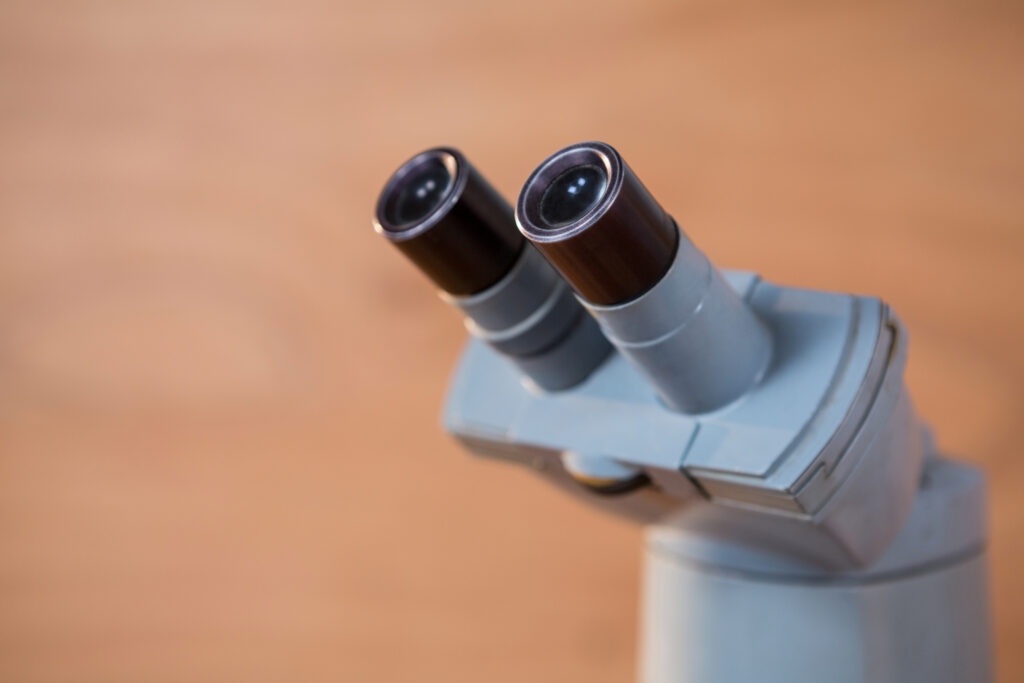
Modern sensitive instruments such as atomic force microscopes, scanning tunneling microscopes, optical interferometers and precision balances can detect displacements of picometers to nanometers. Building floor vibrations, even those imperceptible to people, can easily exceed these tolerances and produce blurred images, distorted measurements and irreproducible results. The typical frequency range of building vibrations is 1 to 100 Hz, with the lowest frequencies being the most difficult to attenuate.
Sources of Laboratory Vibrations
- HVAC systems and air handling units (2-10 Hz)
- Foot traffic and equipment on the same floor
- Elevators and mechanical plant in the building
- External traffic and construction
- Centrifuges, pumps and rotating equipment in adjacent labs
- Acoustic noise exciting instrument resonances
How Passive Vibration Isolation Works
A passive vibration isolator interposes a compliant mechanical element between the floor and the instrument. When the natural frequency of the isolator is much lower than the disturbing vibration frequency, the isolator attenuates rather than transmits the floor motion. Standard pneumatic (air) tables achieve natural frequencies of 1.5-2 Hz, providing reasonable isolation above about 5-10 Hz. Negative-stiffness isolators from Minus K Technology achieve natural frequencies as low as 0.5 Hz by combining a conventional spring with a negative-stiffness mechanism that partially cancels the spring stiffness – providing 10-40 dB more isolation than pneumatic tables in the 1-10 Hz range where building vibrations are most problematic.
Passive vs. Active Isolation
Active vibration isolation systems use accelerometers and actuators to sense and cancel vibrations. They can achieve very low natural frequencies and adapt to changing loads, but require power, electronics maintenance and introduce potential failure modes. Passive isolators require no power, have no moving parts requiring maintenance and introduce no electrical interference – making them preferable for cleanrooms, battery-powered instruments and environments where simplicity and reliability are paramount.
Choosing a Vibration Isolator
Key selection parameters include: load capacity (must match the instrument weight plus accessories), natural frequency in vertical and horizontal axes, platform dimensions, levelability and whether the installation environment permits compressed air. Minus K 100BM-1 and BM-4 series isolators cover load ranges from a few kilograms to over 100 kg with 0.5 Hz natural frequency and no power requirement. NewRoad supplies Minus K isolators and can advise on the right model for your specific instrument and floor vibration environment.